Mixing vs. Mastering in St. Louis: What Every Artist Needs to Know
Mixing vs. Mastering: What Every Independent Artist Needs to Know
You just finished recording your track and it sounds great in the booth. But before it is ready for Spotify, Apple Music, or SoundCloud, it needs two more critical steps: mixing and mastering. Many independent artists confuse the two — or skip one entirely. Here is exactly what each process does and why both matter for your music.
What Is Mixing?
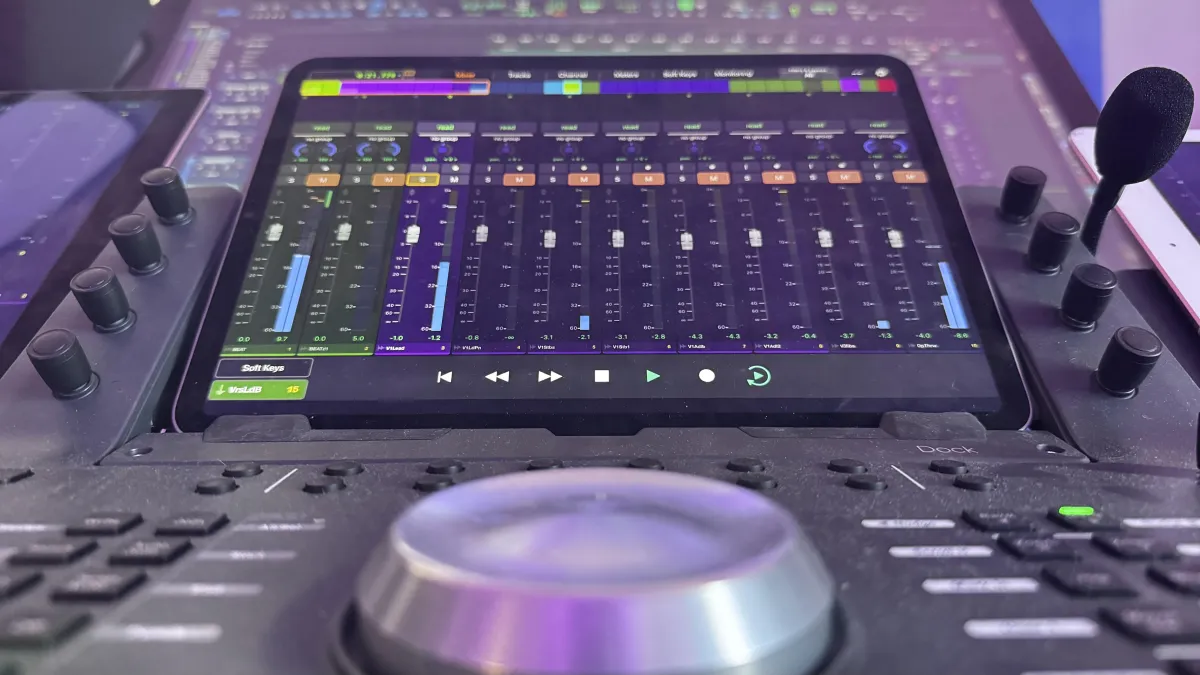
Mixing is the process of taking all the individual recorded tracks — your vocals, the beat, any additional layers — and blending them together into a single, cohesive audio file. A mixing engineer balances the volume levels, applies EQ to sculpt the tone of each element, adds compression to control dynamics, and uses effects like reverb and delay to create depth and space.
Think of mixing as the difference between hearing each instrument separately and hearing them work together as one unified sound. A great mix makes your vocals sit perfectly on top of the beat, ensures nothing is too loud or too quiet, and gives the song energy and emotion.
What Is Mastering?
Mastering is the final step in audio production before distribution. A mastering engineer takes your finished mix and optimizes it for playback across all listening environments — earbuds, car speakers, club systems, and everything in between.
Mastering involves fine-tuning the overall EQ, bringing the track to a competitive loudness level, ensuring consistency across an entire project, and encoding the file correctly for streaming platforms. Most platforms like Spotify and Apple Music have specific loudness standards — mastering ensures your track meets those standards without distortion or loss of quality.
Do I Need Both?
Yes — and here is why. Mixing without mastering means your track may sound good in one context but fall apart on different speakers or at different volumes. Mastering without proper mixing means you are polishing a foundation that was never solid to begin with. Both processes work together to take your raw recording from good to release-ready.
Can I Mix and Master My Own Music?
You can — but it requires professional-grade software, quality studio monitors, and years of trained listening experience. Most independent artists who try to self-mix and self-master end up with tracks that sound noticeably amateur compared to professionally produced music. Your time is better spent creating. Let the engineers handle the technical side.
How Much Do Mixing and Mastering Cost?
Costs vary depending on the project scope. At Vivid Core Music, we offer in-house mixing and mastering services with bundle packages available for artists recording full projects. Contact us or visit vividcoremusic.com/mixing-mastering for current pricing and availability.
How Long Does Mixing and Mastering Take?
A single song typically takes one to two days for mixing and a few hours for mastering, depending on the complexity of the track and revision rounds. Full project timelines vary — we will give you a clear estimate when you book.
Get Your Track Ready for the World
Vivid Core Music handles recording, mixing, and mastering all in-house — which means your project stays in one creative environment from start to finish. No handoffs, no miscommunication, no quality gaps. Book your session at vividcoremusic.com and let us take your music all the way to release-ready.


