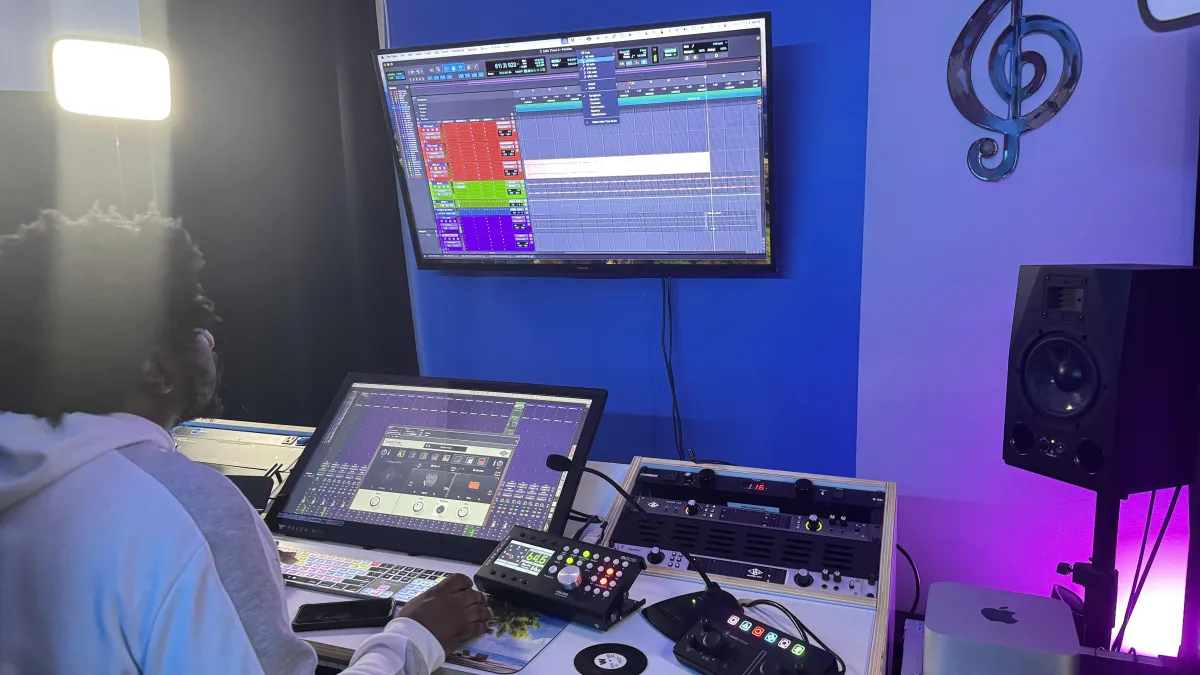
How to Prepare for Your First Recording Session in St. Louis
How to Prepare for Your First Recording Session
Walking into a recording studio for the first time can feel intimidating — but it does not have to be. With the right preparation, you can make the most of every minute in the booth and walk out with something you are proud of. Here is everything you need to know before your first session at Vivid Core Music.
Know Your Material Cold
The most important thing you can do before stepping into the booth is know your lyrics. Fumbling through words wastes expensive studio time and breaks your creative flow. Print your lyrics out or pull them up on your phone — but ideally, have them completely memorized so you can focus on your delivery, not your lines.
Warm Up Your Voice
Vocal warm-ups are not just for live performances — they are essential for recording too. Spend 10 to 15 minutes before your session doing vocal exercises, humming, or lip trills. A warmed-up voice records cleaner, holds notes longer, and recovers faster between takes. Morning sessions are ideal since your voice is naturally fresh.
What to Bring to the Studio
- Your lyrics — printed or on your phone
- Reference tracks — songs that represent the sound you are going for
- Your beats or instrumentals — on a USB drive or shared via a download link
- Water — stay hydrated throughout the session for your voice
- A focused mindset — energy and intention in the booth matter more than most people realize
Communicate With Your Engineer
Your engineer is your creative partner. Before hitting record, take a few minutes to describe the vibe you want, share your reference tracks, and mention any specific sounds or effects you have in mind. The more context your engineer has, the better they can support your vision.
How Long Does a Recording Session Take?
A typical vocal recording session takes anywhere from one to four hours depending on the number of songs, your level of preparation, and the complexity of your arrangements. Artists who arrive fully prepared consistently finish faster and with stronger results than those who are still figuring things out in the booth.
Do Not Stress the Takes
It is completely normal to need multiple takes — even the most experienced artists record dozens of takes per song. The goal is not perfection on the first try. It is to capture your best possible performance. Trust your engineer, stay relaxed, and let the creativity flow naturally.
What Happens After Recording?
Once your vocals are recorded, the next step is mixing — where your engineer balances and enhances all audio elements — followed by mastering, which prepares your track for streaming platforms like Spotify and Apple Music. Vivid Core Music offers both services in-house so you never have to look anywhere else.
Book Your First Session
Ready to step into the booth? Vivid Core Music is St. Louis premier studio for independent artists. We will take care of you from the moment you walk through the door. Book your session at vividcoremusic.com today.


